Modern corporations operate in an increasingly digital, global, and data-driven environment. As businesses scale across regions and industries, traditional centralized IT systems often struggle with performance bottlenecks, security risks, and limited transparency. This has led to the rapid growth of the corporate use of distributed systems, a technological approach that allows organizations to process data, manage operations, and coordinate activities across multiple independent nodes rather than a single central server.
Distributed systems now power everything from cloud computing and global payment networks to supply chains, healthcare platforms, and financial markets. Notably, the same principles behind corporate distributed systems also form the foundation of blockchain technology and cryptocurrency trading. In this article, we’ll explore how corporations use distributed systems, why they matter, and how this technology underpins modern crypto trading models—including how to join Hash Hedge and start trading.
What Are Distributed Systems in a Corporate Context?
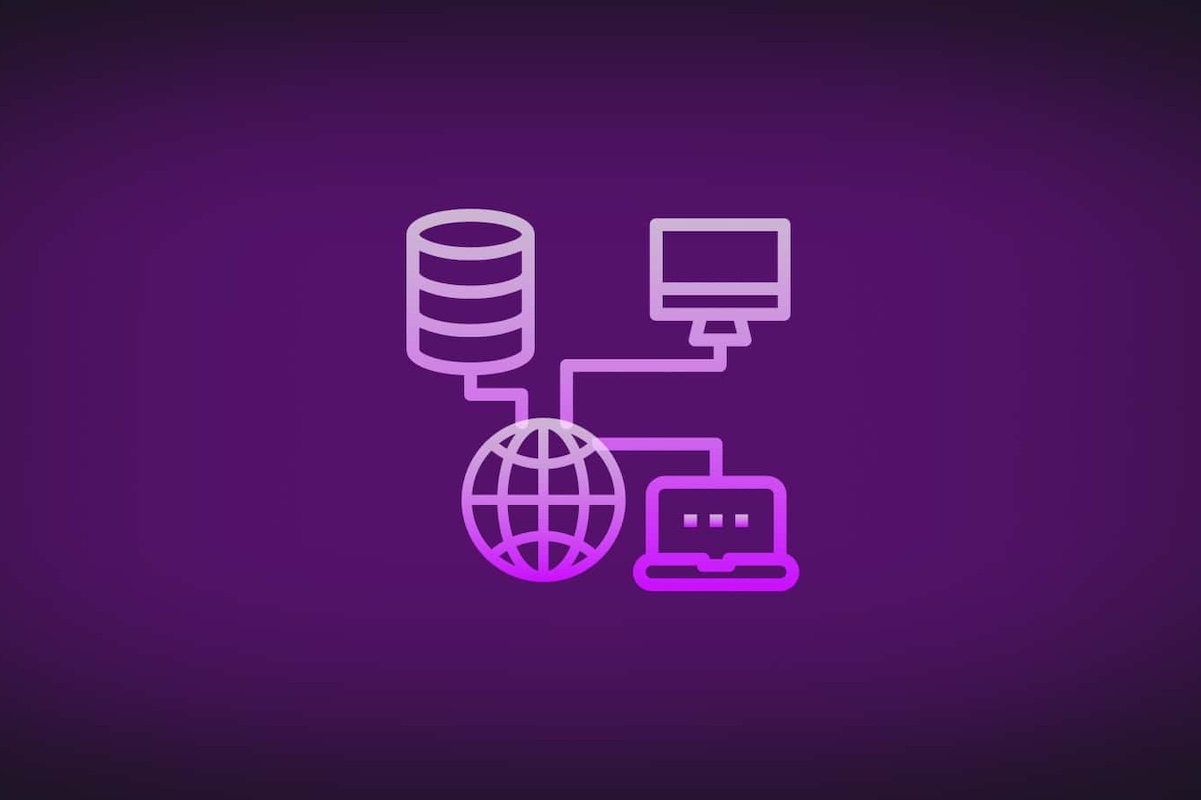
In simple terms, distributed systems are networks of interconnected computers that work together as a single system. Instead of relying on one central server, tasks and data are shared across multiple machines, often located in different geographic regions.
For corporations, the use of distributed systems improves reliability, scalability, and fault tolerance. If one node fails, others continue operating, ensuring business continuity. This architecture is especially valuable for enterprises handling large volumes of transactions, sensitive data, or real-time services.
Why Corporations Are Adopting Distributed Systems
The corporate use of distributed systems has grown rapidly due to several key business needs. Globalization requires systems that can operate across time zones and regions without downtime. Digital transformation initiatives demand infrastructure that can scale quickly as demand fluctuates. At the same time, cybersecurity concerns have pushed companies away from single points of failure.
Distributed systems address these challenges by spreading workloads and data across multiple nodes. This reduces latency, improves performance, and enhances resilience against outages or cyberattacks. For corporations, this translates into more reliable services and lower operational risk.
Key Benefits of Distributed Systems for Enterprises
One of the main advantages of distributed systems is scalability. Corporations can add or remove resources as needed without redesigning the entire system. This flexibility is crucial for companies experiencing rapid growth or seasonal demand spikes.
Another major benefit is fault tolerance. Because no single component controls the entire system, failures are isolated rather than catastrophic. This improves uptime and ensures critical services remain available. Additionally, distributed systems enhance data consistency and collaboration by allowing multiple teams or partners to access shared information securely and efficiently.
Real-World Examples of Corporate Distributed Systems
Distributed systems are already deeply embedded in corporate operations. Cloud platforms like AWS, Google Cloud, and Azure rely on distributed architectures to deliver computing power on demand. Global financial institutions use distributed networks to process payments and manage risk across regions.
Supply chain platforms use distributed systems to coordinate manufacturers, suppliers, and logistics providers in real time. Even large-scale content platforms and enterprise collaboration tools depend on distributed architectures to serve millions of users simultaneously.
Distributed Systems as the Foundation of Blockchain
Blockchain technology is a specialized form of distributed system. Instead of relying on a central authority, blockchain networks distribute data across multiple nodes that independently verify and record transactions. This creates transparency, security, and trust without the need for intermediaries.
The corporate use of distributed systems paved the way for blockchain adoption by proving that decentralized architectures can operate reliably at scale. Today, blockchain is used not only for cryptocurrencies but also for enterprise applications such as digital identity, supply chain tracking, and cross-border payments.
How Distributed Systems Enable Crypto Markets
Cryptocurrency markets run entirely on distributed systems. Blockchain networks validate transactions, track asset ownership, and maintain immutable records across thousands of nodes worldwide. This decentralized structure allows crypto markets to operate 24/7 without reliance on a single institution.
For traders, this means access to transparent, global markets with real-time settlement. However, while distributed systems provide the infrastructure, successful trading still requires capital, discipline, and risk management—elements that individual traders often lack when trading alone.
Professional Crypto Trading Built on Distributed Technology
Professional crypto trading platforms leverage distributed systems to ensure market integrity, fast execution, and accurate data. These platforms combine blockchain-based markets with centralized risk controls and performance monitoring to create a structured trading environment.
Proprietary trading firms, in particular, use this hybrid model to allocate capital efficiently while maintaining strict risk management rules. This allows skilled traders to operate at scale while the firm controls overall exposure.
How Hash Hedge Uses Distributed Systems
Hash Hedge operates within blockchain-powered crypto markets while applying professional trading frameworks inspired by institutional finance. The platform relies on distributed blockchain networks for market data and transaction integrity, while its internal systems monitor risk, performance, and rule compliance.
By combining decentralized market infrastructure with centralized oversight, Hash Hedge creates a balanced environment where traders can focus on strategy execution without worrying about platform reliability or market manipulation.
How to Join Hash Hedge and Start Trading
Joining Hash Hedge is designed to be transparent and performance-based, reflecting the principles of modern distributed systems: trust through verification rather than blind reliance.
First, traders create an account on the Hash Hedge platform and choose a trading challenge that matches their desired account size. The challenge evaluates consistency, risk management, and adherence to rules rather than aggressive speculation.
During the evaluation phase, traders trade in a simulated environment while following defined drawdown limits and profit targets. Successful traders move on to a verification stage to confirm repeatable performance.
Once verified, traders receive access to a funded crypto trading account. They trade with firm capital, earn a share of the profits, and operate within a professional framework built on transparent rules and blockchain-based markets.
Why Understanding Distributed Systems Matters for Traders
Understanding the corporate use of distributed systems helps traders appreciate how modern financial infrastructure works. It reinforces why blockchain-based markets are resilient, transparent, and globally accessible.
Traders who grasp the technology behind the markets they trade are better equipped to trust the system, manage risk, and maintain discipline—especially during volatile market conditions.
The corporate use of distributed systems has transformed how businesses operate, enabling scalability, resilience, and transparency across industries. From cloud computing and global finance to blockchain and crypto markets, distributed architectures are now foundational to modern digital ecosystems.
When these systems are combined with professional trading models, they unlock new opportunities for traders to access capital and trade responsibly. Platforms like Hash Hedge build on distributed technology to offer structured, funded crypto trading—helping skilled traders move from individual speculation to professional-level performance in a global, decentralized market.